Thinking about buying a fixer-upper in Beaverton? It can be a smart way to get into the market, but it can also get expensive fast if you underestimate repairs, permits, or hidden issues. If you want to know where the real risks are, what common projects may cost, and when the upside is worth it, you’re in the right place. Let’s dive in.
Beaverton fixer-uppers in today’s market
Beaverton is still an active housing market. As of May 2026, homes were selling in about 30 days, averaging two offers, with a median sale price of $587,149 over the prior three months.
That matters because a fixer-upper here is not always a bargain-bin deal. In many cases, you are paying for location and potential, then deciding whether the home’s repair needs still leave enough room in your budget for a smart purchase.
What a fixer-upper usually means
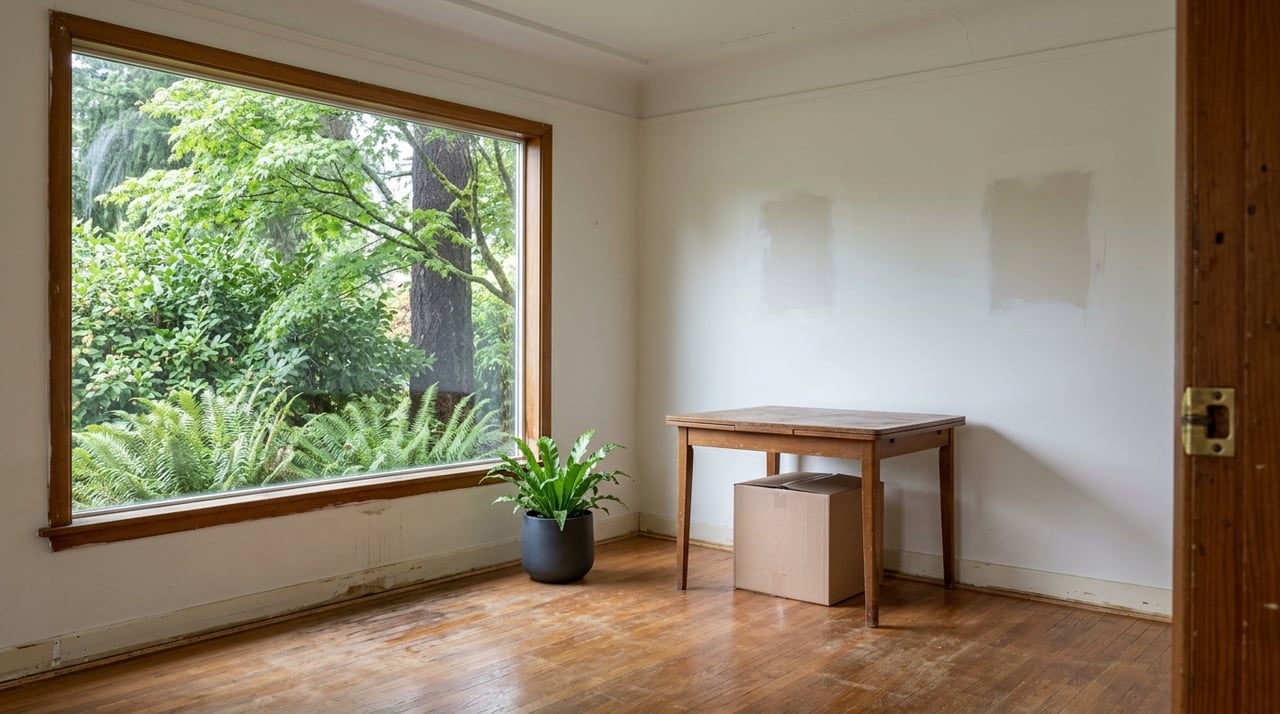
Not every fixer-upper is the same. Some homes mainly need cosmetic updates like paint, flooring, fixtures, cabinets, or countertops, while others need larger system repairs or structural work.
That difference is everything. A house with dated finishes may be inconvenient, but a house with drainage problems, roof damage, electrical defects, or heating issues can affect safety, timeline, financing, and resale.
Cosmetic updates are the easier side
Oregon permit guidance treats many finish items as permit-exempt work. That can include paint, tile, carpet, cabinets, countertops, some siding repair, insulation, gutters and downspouts, and replacing windows or doors when there are no structural changes.
For buyers, that usually means cosmetic projects are more predictable. You can often improve livability and appearance without turning the home into a long, permit-heavy construction job.
Bigger changes bring more complexity
Once you start moving walls, cutting new openings, finishing an attic, basement, or garage, or changing roof sheathing, you may move into permit territory. Plumbing, mechanical, electrical, and structural changes can also trigger permit requirements in Oregon.
In Beaverton, permit application, inspection, and fee handling run through the city’s electronic permitting and development review channels. That is why unpermitted work should never be treated like a minor detail when you are evaluating a fixer-upper.
The most common risks buyers should expect
A fixer-upper can still be a good buy, but only if you walk in with a clear view of the likely problems. Some issues are visible during a showing, while others show up during inspections or even after closing.
The most common house problems often start with drainage and grading. From there, buyers may run into electrical defects, roof damage, heating-system problems, and moisture or water intrusion in crawlspaces or basements.
Moisture problems can spread
Drainage and grading issues are easy to overlook when you are focused on kitchen finishes or room layout. But poor exterior drainage can lead to water intrusion, rot concerns, crawlspace moisture, and a longer list of repairs than you expected.
This is one reason fixer-upper buyers need to think beyond cosmetic appeal. A lower price is helpful, but it does not matter much if water is quietly damaging the home.
Inspection reports are a starting point
A general home inspection is visual and not technically exhaustive. Hidden defects can remain behind walls, under floors, or in areas the inspector cannot fully access.
That is why many buyers need specialist follow-up once the first report points to a concern. Depending on the findings, that may mean bringing in a roofer, electrician, plumber, structural expert, or pest and dry-rot inspector before you finalize your decision.
Seller disclosures matter, but they are limited
Under Oregon law, a seller’s property disclosure statement is based on the seller’s actual knowledge and is not a warranty. Buyers generally have five business days after delivery to revoke the offer unless that right is waived.
The law also points buyers toward qualified specialists for deeper evaluation. In plain terms, you should read disclosures carefully, but you should not treat them as a substitute for inspections and specialist review.
What fixer-upper projects may cost
Costs vary by contractor, materials, scope, and home condition, but a few regional benchmarks can help you build a realistic plan. The biggest mistake many buyers make is assuming every project will land on the low end.
A smarter approach is to separate projects into cosmetic, system-level, and major rehab categories. That gives you a better sense of whether the home needs a refresh or a full capital project.
Cosmetic and lower-scope examples
For the Pacific region, recent cost examples include:
- Garage door replacement: $4,554
- Steel entry door replacement: $2,402
- Minor kitchen remodel: $28,140
- Hardwood floor refinishing example: about $3,400 upfront
These projects can improve daily livability and curb appeal without fully rebuilding the home. They are often easier to budget than deeper system repairs.
Midrange system and exterior examples
Common midrange project examples include:
- Bath remodel: $27,501
- Vinyl window replacement: $22,397
- Fiber-cement siding replacement: $21,947
- Asphalt-shingle roof replacement: $33,244
These are the kinds of numbers that can reshape your whole purchase decision. A fixer-upper may still make sense, but only if the purchase price leaves enough room for this level of work.
Major rehab examples
Larger projects escalate quickly. Regional examples include:
- Major midrange kitchen remodel: $82,810
- Midrange bathroom addition: $63,486
- Midrange primary-suite addition: $175,266
Once you enter this range, you are no longer doing a light update. You are taking on a major renovation that needs careful budgeting, planning, and timeline management.
Which improvements tend to pay back best
Not every renovation creates equal value. If your goal is long-term enjoyment, your choices may be different than if you want to protect resale.
Recent remodeling data suggests smaller, visible, durable improvements often recover value better than highly personalized big-ticket projects. Stronger cost-recovery examples include front-door replacements and closet renovation, while painting and roofing are frequently recommended before listing.
That does not mean you should avoid larger projects. It means you should be cautious about overspending on custom upgrades if the home already needs essential repairs.
Permit and timeline risks in Oregon
Permits can affect both your timeline and your future resale. In Oregon, permits are required for many structural, plumbing, mechanical, and electrical changes.
The state also says the permit must be on site, and it can expire if work does not start within 180 days or if the project is abandoned for 180 days. For a buyer, that means incomplete or unpermitted work can create real delays and extra expense.
Why this matters before you buy
If a seller has already started work, you will want to understand what was done, whether permits were required, and whether inspections were completed. If you plan to renovate after closing, you should factor permit review and inspection scheduling into your timeline.
This is especially important if you need the home to be move-in ready by a certain date. The work itself is only one part of the schedule.
Financing options for fixer-upper buyers
Some buyers pay for repairs out of pocket after closing. Others want a loan structure that lets them finance renovation work as part of the purchase.
Two mainstream options mentioned in the research are FHA 203(k) and Fannie Mae HomeStyle Renovation. FHA’s Limited 203(k) covers non-structural repairs up to $35,000, while Standard 203(k) is for larger rehabilitation work with at least $5,000 in repairs. HomeStyle Renovation can finance repairs, remodeling, renovations, or energy improvements as part of a conventional loan.
Financing details always depend on your lender and the property, but these options can be worth exploring if the right home needs work that goes beyond your cash reserves.
How to decide if a Beaverton fixer-upper is worth it
The best fixer-uppers are usually not the ones with the flashiest before-and-after vision. They are the homes where the numbers still work after you account for real repair costs, permit risk, and a buffer for surprises.
In practical terms, a Beaverton fixer-upper tends to make the most sense when the discount is large enough to cover cosmetic work plus a meaningful cushion for systems, moisture issues, or permit-related complications. Homes with sound structure, roofing, and major utilities often offer a more manageable path than homes needing emergency remediation.
A simple way to pressure-test the deal
Before you write an offer, try to sort the property into these buckets:
- Cosmetic only: mostly paint, flooring, fixtures, cabinets, and light updates
- System updates: roof, windows, heating, siding, electrical, plumbing, or drainage concerns
- Major rehab: structural changes, additions, layout rework, or significant moisture damage
Then compare the likely repair scope to the home’s price, your financing plan, and your tolerance for disruption. That exercise alone can help you avoid buying a project that looks exciting but does not make financial sense.
Why local, construction-informed guidance matters
With fixer-uppers, the biggest wins often come from asking better questions early. What is cosmetic versus critical? What may need permits? Which repairs support value, and which ones simply stop the bleeding?
That is where a construction-informed, local approach can help. When you have someone translating inspection findings into realistic scope, cost, and timeline expectations, it becomes much easier to decide whether a Beaverton fixer-upper is a smart opportunity or a money pit.
If you are weighing a fixer-upper in Beaverton and want practical help reviewing condition, repair scope, and offer strategy, Josh Halemeier - Main Site can help you think through the numbers with a clear local perspective.
FAQs
What should I look for first when buying a fixer-upper in Beaverton?
- Start with the big-ticket items: drainage, grading, roof condition, electrical issues, heating systems, and signs of moisture intrusion. Cosmetic flaws are easier to fix than system or structural problems.
Do fixer-uppers in Beaverton always sell for a big discount?
- Not necessarily. In Beaverton’s active market, fixer-uppers are often more about potential than deep discounts, so you need to compare the purchase price with the real cost of repairs.
Which fixer-upper projects usually need permits in Oregon?
- Structural changes, new openings, finishing an attic, basement, or garage, and many plumbing, mechanical, and electrical changes often require permits. Many cosmetic finish updates do not.
Are seller disclosures enough when buying a Beaverton fixer-upper?
- No. Oregon seller disclosures are based on the seller’s actual knowledge and are not a warranty, so inspections and specialist follow-up are still important.
What financing options can help with fixer-upper renovations?
- Two common options are FHA 203(k) and Fannie Mae HomeStyle Renovation. These programs may allow you to finance certain repair or renovation costs as part of the home loan.