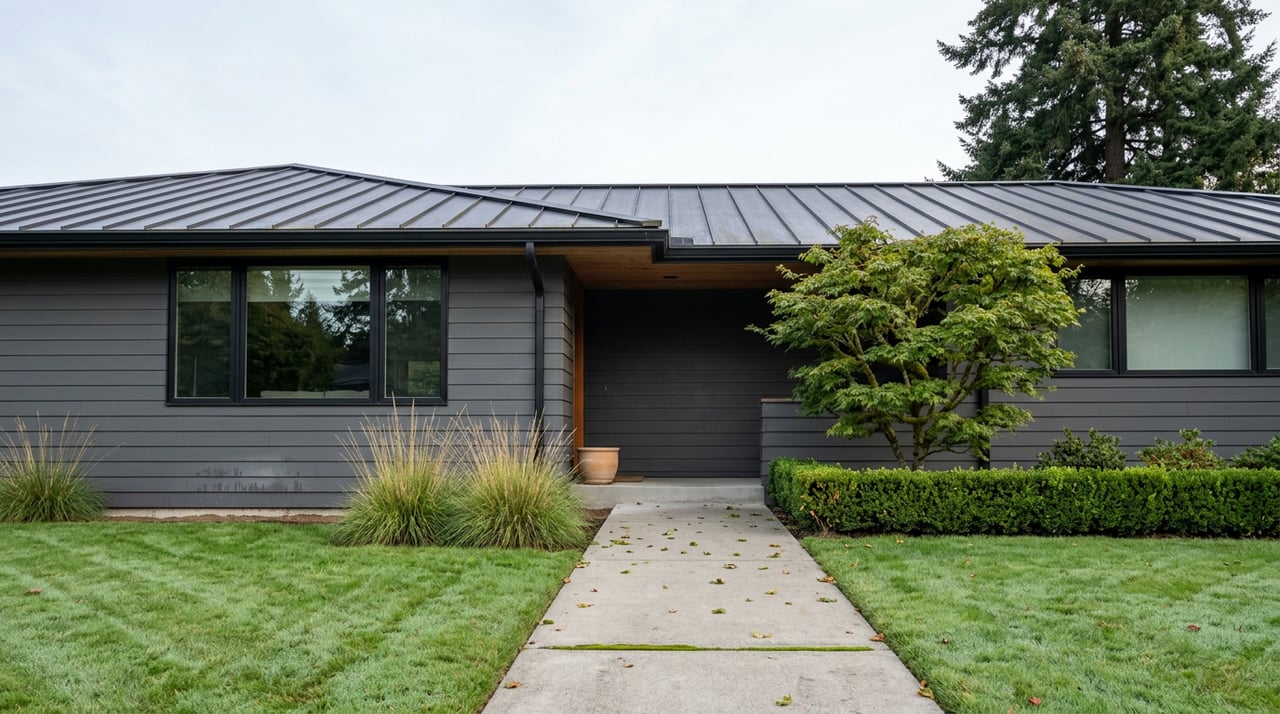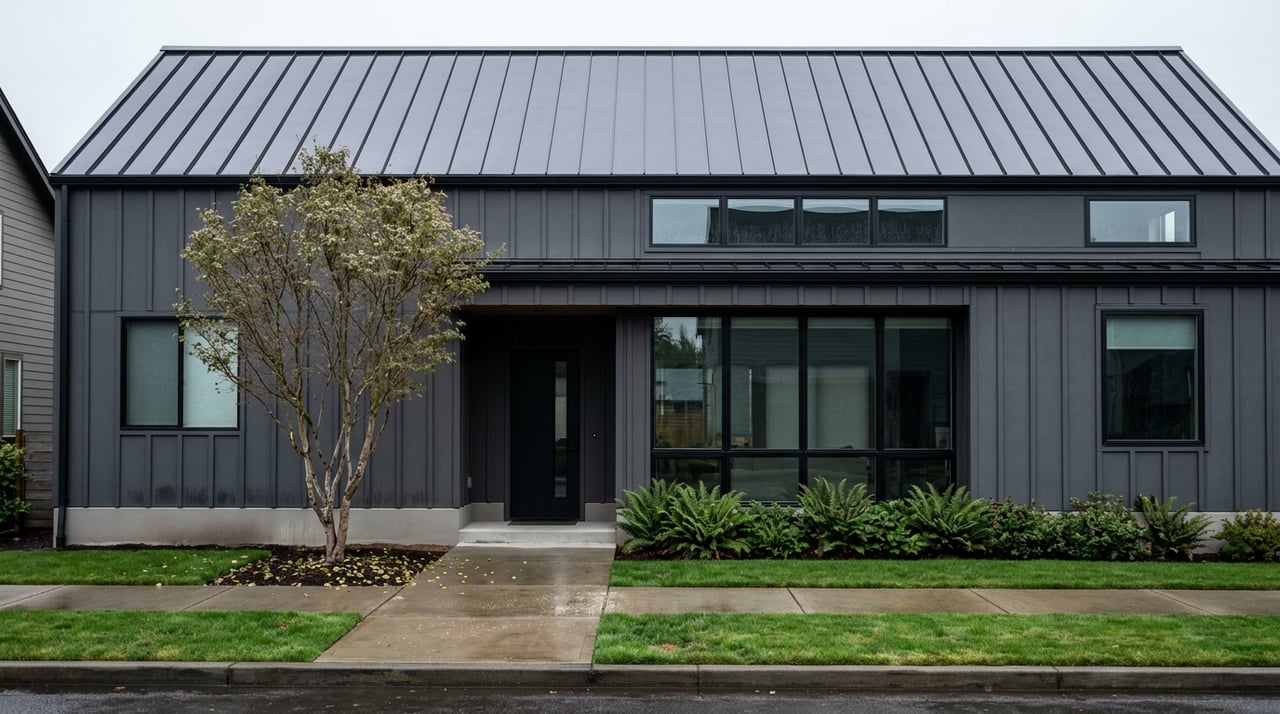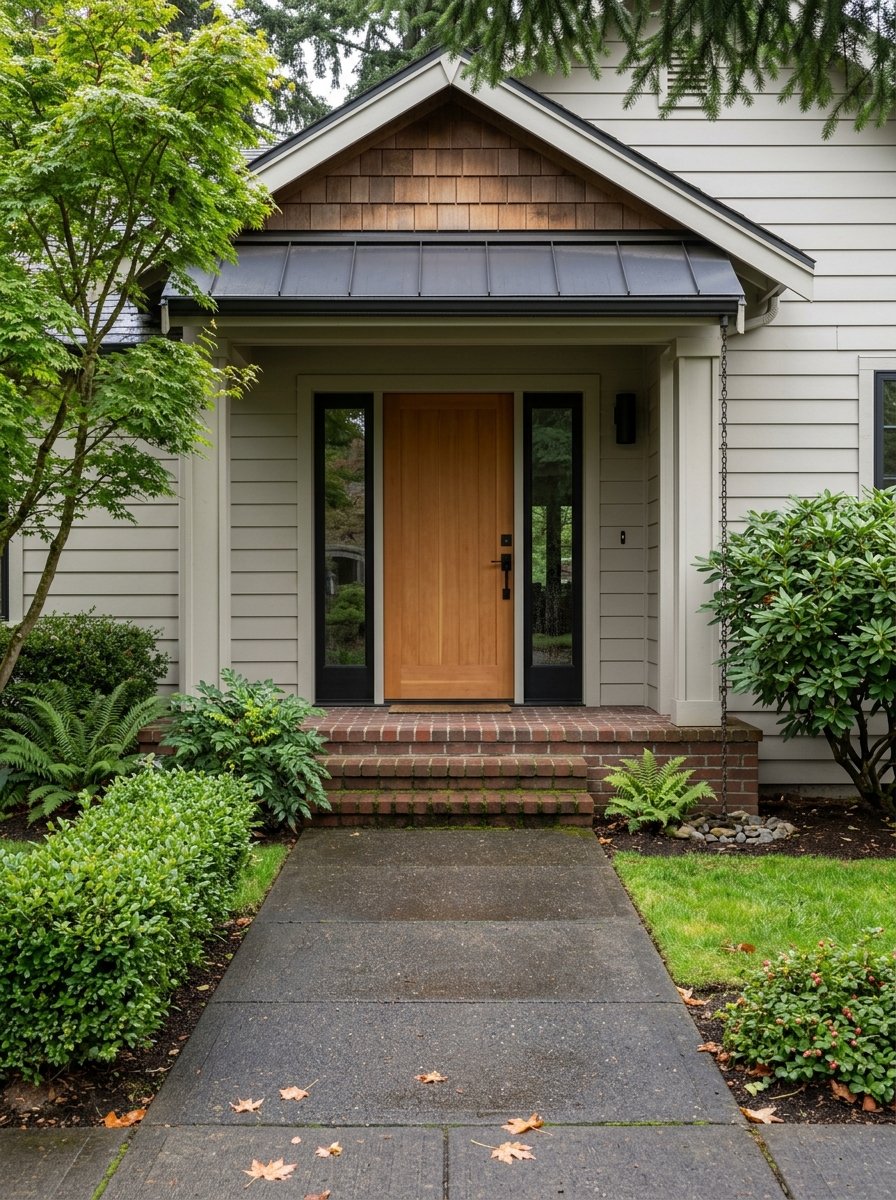
Wondering whether a Portland fixer-upper is a smart opportunity or a money pit in disguise? If you are weighing a lower purchase price against the appeal of a home that feels ready on day one, you are asking the right question. In Portland, where competition can still be strong and many homes are older, the better choice often comes down to your budget, timeline, and tolerance for repairs. Let’s break down how to compare both paths with clear eyes.
Portland market reality
Portland is still a relatively expensive market, and homes can move quickly when priced well. In February 2026, the median sale price in Portland was $496,250, while the median in Multnomah County was $493,000. Homes sold in about 39 days in Portland and 42 days in Multnomah County, and Redfin describes Portland as a very competitive market.
That matters because your home type decision is not happening in a vacuum. In a competitive market, a move-in-ready home may attract stronger interest because it offers convenience, while a fixer-upper may stand out if you are willing to take on work that other buyers want to avoid.
Why older Portland homes change the equation
Portland has a large share of older housing, which can make fixer-uppers more common and more complex. According to the City of Portland Housing Needs Analysis, more than half of Portland housing was built before 1960, and about one-third was built before 1940.
Older homes can offer character and value-add potential, but they also raise the odds of deferred maintenance and outdated systems. That can mean more uncertainty around roofing, plumbing, electrical, crawl spaces, foundations, and sewer lines. In other words, the lower purchase price is only part of the story.
Why buyers consider fixer-uppers
A fixer-upper can make sense if you want more control over finishes, layout choices, or long-term improvements. It can also appeal to buyers who want to create value over time instead of paying today for someone else’s updates.
For some buyers, this path opens the door to a location or property type that might otherwise feel out of reach. For others, it is an opportunity to improve the home in stages and align spending with their priorities instead of paying a premium for turnkey finishes they may not have chosen.
The upside of a fixer-upper
A fixer-upper may be worth a closer look if you want:
- A lower entry price compared with similar updated homes
- More control over design choices and materials
- A chance to build equity through smart improvements
- Less competition from buyers who want turnkey convenience
That said, potential is not the same as profit. The value is only real if the repair scope, timeline, and budget all stay within reason.
Where fixer-upper risk shows up
The biggest challenge with a fixer-upper is uncertainty. The Consumer Financial Protection Bureau recommends making your offer contingent on financing and a satisfactory inspection so you are not forced to close if major issues surface.
That advice matters even more in Portland because older homes can hide expensive problems. A standard home inspection helps, but InterNACHI notes that inspections are visual and non-invasive, which means they do not uncover every hidden defect, verify code compliance, or estimate repair costs.
High-risk repair categories in Portland
If you are considering a fixer, pay close attention to these categories:
- Roof condition and active leaks
- Exterior drainage and water penetration
- Foundation movement and crawl space conditions
- Plumbing leaks and sewer line issues
- Electrical panels, breakers, and wiring
- Heating and cooling systems
- Smoke and carbon monoxide detector compliance
These are not small cosmetic items. They are the kinds of issues that can change your budget fast and affect your ability to safely and comfortably use the home.
Sewer and permit issues matter more than many buyers expect
Sewer problems deserve special attention in Portland. The city explains that sewer line repairs must be permitted, inspected, and approved, and older homes are more likely to have sewer issues, especially in older parts of the city.
The permit process can add cost and time, especially if work involves both the property and the public right-of-way. Portland also offers a sewer connection or conversion loan, which can be important if a property must connect to public sewer or replace a nonconforming connection.
Lead safety is another older-home factor
If you are buying a home built before 1978, lead safety should be part of your planning. Portland’s Lead Hazard Control Grant Program notes that disturbing lead-based paint during remodeling can create harmful dust and offers free evaluation and financial assistance for qualifying households.
That does not mean every pre-1978 home is a dealbreaker. It does mean remodel plans should be approached carefully, especially if walls, trim, windows, or painted surfaces will be disturbed.
What move-in-ready really buys you
A move-in-ready home usually gives you more predictability. You are often paying for updated systems, fewer immediate projects, and less need to coordinate contractors, permits, and inspections after closing.
That convenience matters if you have a tight schedule, limited cash reserves, or little appetite for renovation stress. In a competitive market, it can also be easier to act decisively when you know you are buying a home that should need less near-term work.
Move-in-ready does not mean perfect
Even so, turnkey homes still need careful evaluation. The CFPB still recommends keeping a satisfactory-inspection contingency, and InterNACHI points out that an inspection will not reveal every concealed problem.
Fresh paint, updated fixtures, and remodeled kitchens can improve appeal, but they do not guarantee the roof, drainage, plumbing, or electrical systems are problem-free. A polished showing can hide issues that are expensive to fix later.
Comparing the true cost
The list price difference between a fixer-upper and a move-in-ready home is only the starting point. What matters more is your total cost to own and stabilize the home.
Recent national estimates from Angi show how quickly costs can stack up:
- Asphalt shingle roof replacement: $5,800 to $20,000
- Electrical panel upgrade: $1,200 to $2,000
- Foundation repair: about $2,224 to $8,134 on average
- Small bathroom remodel: about $6,500 on average
- Kitchen remodel: $14,586 to $41,527
- Sewer line replacement: about $3,319 on average
- Sewer video inspection: $100 to $500
These are broad benchmarks, not Portland-specific bids, but they are a helpful reminder that one or two major repairs can erase the savings from buying a fixer.
Which upgrades tend to pay off better
Not every improvement delivers the same return. According to the 2025 Cost vs. Value report for the Pacific region, projects like garage door replacement, steel entry door replacement, fiber-cement siding, and a minor kitchen remodel tend to recoup more than some larger discretionary upgrades.
That is one reason many buyers and investors take a conservative approach. They focus first on the building envelope, visible exterior improvements, and practical updates before sinking too much money into major cosmetic work that may not return as much.
A simple Portland decision framework
If you are trying to decide between a fixer-upper and a move-in-ready home, start with your real-life constraints, not just the asking price.
A fixer-upper may fit better if you have:
- Cash reserves beyond your down payment and closing costs
- Flexibility on move-in timing
- Comfort with uncertainty and project management
- Access to contractors or strong renovation support
- A clear plan for handling permits and inspections
A move-in-ready home may fit better if you have:
- Limited reserves after closing
- A need for a predictable move-in timeline
- Low tolerance for disruption or surprise costs
- Little interest in managing repairs and vendors
- A preference for convenience over customization
The CFPB also recommends updating your assumptions for monthly payment, down payment, and closing costs as your search continues. That is especially helpful when comparing a lower-priced fixer with a higher-priced turnkey option, because the cheaper home is not always the less expensive choice over the first year.
How to make the smartest offer
Whether you choose a fixer or a move-in-ready property, your offer strategy should reflect the home’s condition and your risk tolerance. If there are signs of age or deferred maintenance, inspect carefully and budget conservatively.
In Portland, homes with potential can still be good buys, but the numbers need to account for roof, sewer, foundation, electrical, moisture, and lead-related risks. If the discount does not clearly cover the likely repair scope, permit complexity, and a healthy contingency, the better deal may be the home that needs less work.
If you want help weighing repair scope against price, timeline, and resale potential, working with a broker who understands both the market and the renovation side can make the decision much clearer. At Josh Halemeier - Main Site, you can schedule a free consultation and get practical guidance tailored to your goals.
FAQs
Should Portland first-time buyers choose a fixer-upper or move-in-ready home?
- If you have limited cash reserves or want a more predictable timeline, a move-in-ready home is often the safer fit. A fixer-upper can work if you have extra budget, patience, and comfort with repairs.
What repair issues matter most in older Portland homes?
- The biggest risk areas are usually the roof, foundation, crawl space, plumbing, sewer line, electrical systems, and signs of water intrusion. Older homes may also require more permit-related work.
Do Portland fixer-uppers always save money compared with turnkey homes?
- No. A lower purchase price can be offset quickly by major repairs, permit costs, contractor delays, and hidden defects that were not obvious during the showing.
Should Portland buyers still get an inspection on a move-in-ready home?
- Yes. A move-in-ready home can still have hidden issues, and a satisfactory-inspection contingency helps protect you if serious problems are discovered.
Why are sewer issues such a big deal in Portland homes?
- Older Portland homes are more likely to have sewer problems, and sewer repairs often require permits, inspections, and added coordination. That can make the work more expensive and disruptive than buyers expect.