What if your morning commute took 10 minutes and your after-work trail run started right down the block? If you are considering a move near Beaverton’s tech hub, you want a clear picture of day-to-day life, not just job titles and maps. In this guide, you will see what commutes really look like, how errands and dining fit around work hours, where people go for quick nature breaks, and what home options are common. Let’s dive in.
Beaverton at a glance
Beaverton, Oregon sits in Washington County within the Portland metro’s west side. The area is part of the broader Silicon Forest, a tech cluster that includes Beaverton and nearby Hillsboro. You will find a mix of residential neighborhoods and employment centers, with transit connections that make car-free or car-light living realistic for many. For context on the city and region, see this overview of Beaverton and its Silicon Forest ties.
Why the tech hub matters
Large employers shape daily life. Nike’s world headquarters is in Beaverton, drawing thousands of workers and creating steady lunchtime and commuter activity around key corridors. You will also find long-standing industrial tech operations like Tektronix in the city and major semiconductor campuses just west in Hillsboro. For employer context, see Nike’s world headquarters citation and Intel’s Oregon presence.
Getting around: commutes and transit
Your commute depends on where you live, your exact campus, and your shift. Many Beaverton workers build their week around a mix of light rail, commuter rail, bus, bike, and short car trips.
MAX, WES, and bus links
The Beaverton Transit Center is the city’s main hub with MAX Blue and Red Line service and multiple bus routes. It also connects to WES, the weekday peak commuter rail serving southbound trips. If you work in central Portland or along the MAX corridor, you may rely on rail and bus most days. Check TriMet’s Beaverton Transit Center information and schedules and WES peak commuter rail details to match routes to your hours.
Driving corridors and traffic rhythm
If you drive, you will likely use U.S. 26 for east-west trips and Oregon 217 for north-south connections. These highways serve Nike, Tektronix, and nearby Hillsboro campuses and link to I-5 and other routes. Expect typical peak congestion during morning and evening commutes, with periodic improvements and monitoring on these corridors noted by ODOT.
Bikeable and walkable options
If you live close to a Beaverton campus, a bike or even a walk can fit your routine. Many neighborhoods connect to trails and low-traffic streets. A common pattern is a short bike ride to work, then a quick spin or jog on a trail after hours. If your job sits inside a secure campus with spread-out buildings, you may still prefer a car for convenience on certain days.
Night shifts and off-peak schedules
MAX runs all day, and bus routes cover most major corridors. WES serves weekday peaks. If you work late or on changing shifts, double-check first and last trips before committing to a car-free setup. TriMet’s trip planner is a helpful starting point via the Beaverton Transit Center resource.
Parks and trails within minutes
One of the biggest quality-of-life wins here is easy access to nature. The Tualatin Hills Park & Recreation District (THPRD) maintains an extensive trail and park network, including large natural areas and multi-neighborhood paths.
- Tualatin Hills Nature Park offers forest and wetland trails that feel a world away without a long drive.
- The Fanno Creek Trail weaves through multiple neighborhoods and works for both recreation and bike commuting.
- Cooper Mountain Nature Park delivers big views and quick weekend hikes.
Explore routes and maps on THPRD’s trails and nature parks page. For many residents, a 30 to 90 minute walk, run, or ride fits easily between the end of the workday and dinner.
Dining, errands, and arts near transit
Downtown Beaverton and the Beaverton Central MAX area, often called The Round, concentrate everyday conveniences. You will find a mix of small restaurants, coffee spots, and food-cart pods that work well for quick lunches or relaxed evenings. The anchor that raised downtown’s cultural profile is the Patricia Reser Center for the Arts, a 550-seat venue with a wide programming mix.
- Learn about the Beaverton Central station area and The Round’s mixed-use setup.
- Get a feel for the Patricia Reser Center for the Arts as a local cultural hub.
If you live near these nodes, it is easy to stack errands, a workout, and dinner without much driving. Many tech workers plan lunch within a short walk of transit or campus and meet friends back downtown in the evening.
Home types and price context
Housing near Beaverton’s tech hub includes a broad mix:
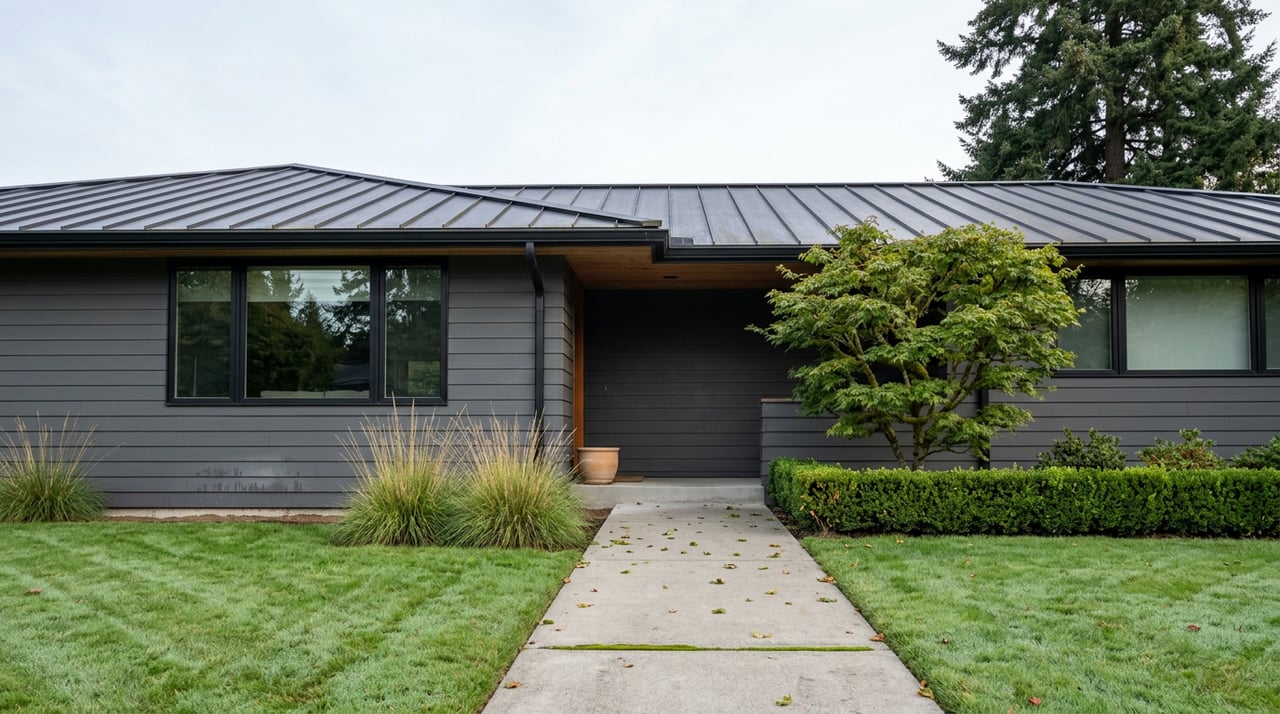
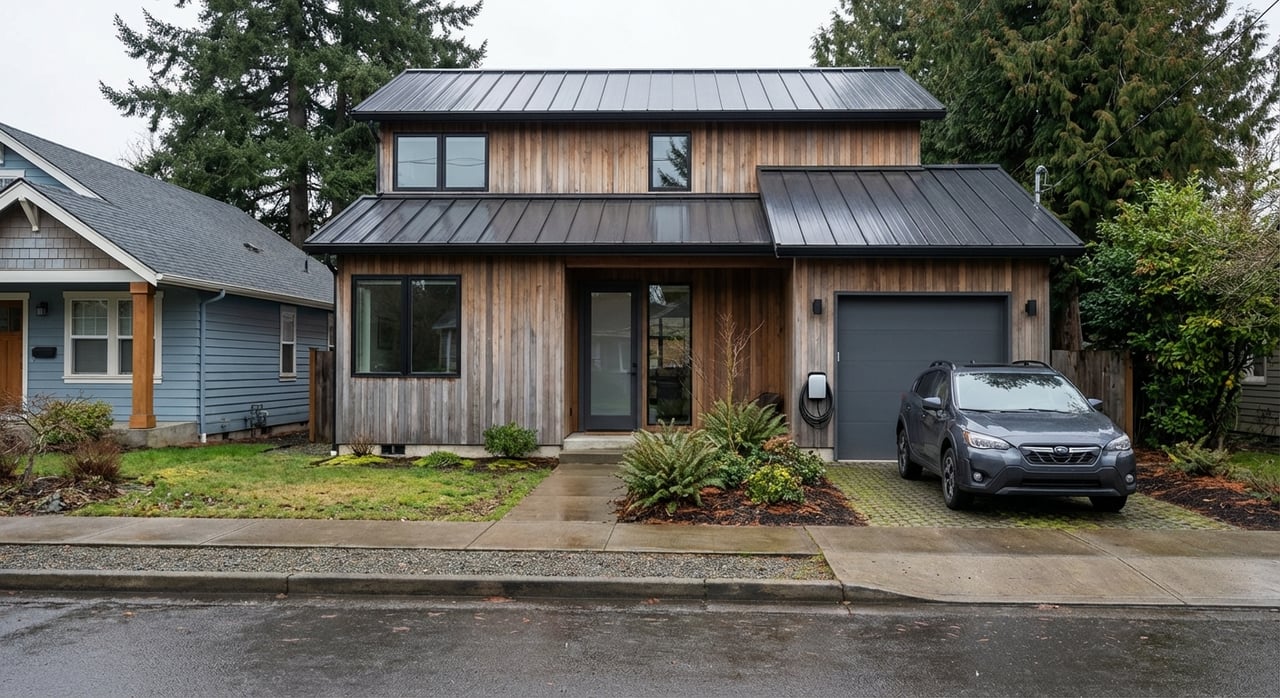
- Mid-century single-family homes, often one story with modest yards and garages.
- Later suburban subdivisions with larger two-story homes.
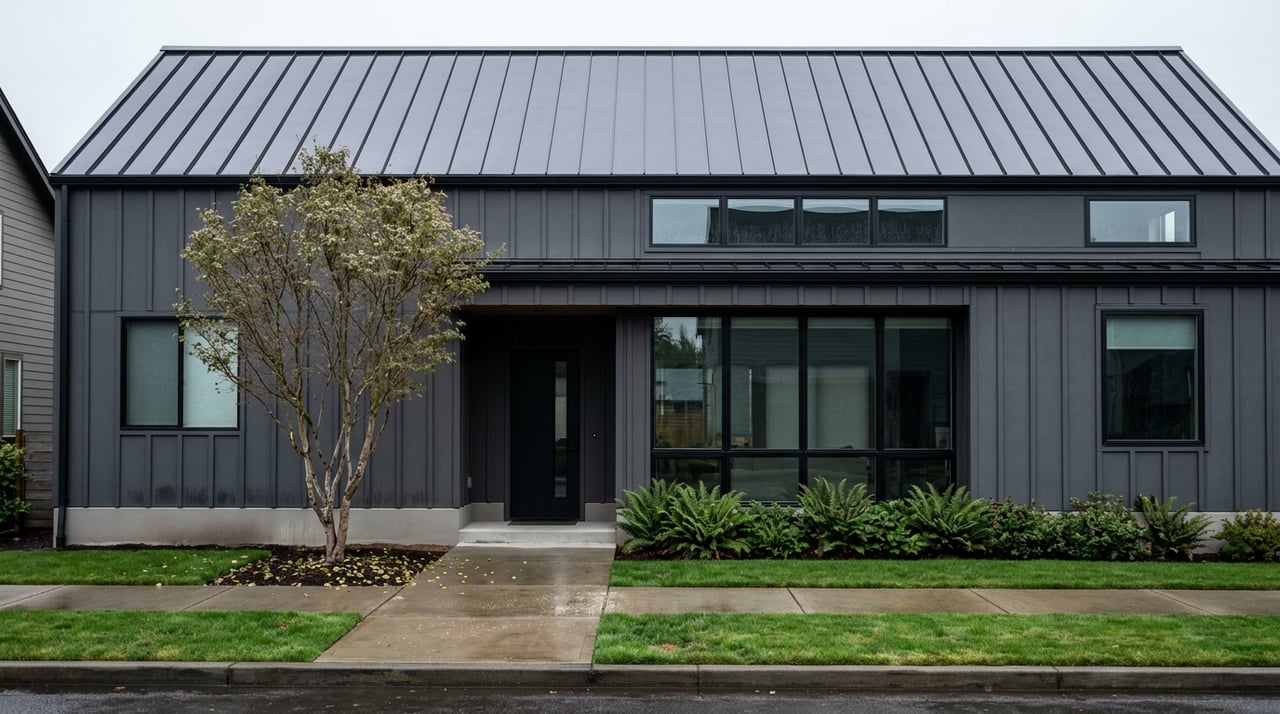
- Newer townhomes and condos, especially near transit-oriented areas like Beaverton Central.
Neighborhoods such as Cedar Hills, Murray Hill, West Slope, and South Beaverton tend to feature mostly single-family homes. Closer to The Round and transit stations, you will see more condos and apartments. According to Realtor.com’s market snapshots, citywide medians typically land in the mid 400s to mid 500s, with some sub-areas well above that range. Prices shift month to month, so plan to check live market pages and verify neighborhood medians when you are ready to tour.
How this plays out in real life:
- If you want to live car-light and keep your commute short, a condo or townhome near Beaverton Central can trade private yard space for walkability.
- If you value a yard and a traditional single-family setup, you will likely look in Cedar Hills, Murray Hill, or other established neighborhoods and plan a short drive or a bike-and-rail combo to work.
Schools and family resources
The Beaverton School District serves most of the city and provides a range of programs that families consider when comparing neighborhoods. For district resources and planning initiatives, explore the Beaverton School District’s Student Success Act page. Always confirm school boundaries and program availability directly with the district as you narrow your search.
Two sample weekday routines
If you work on a Beaverton campus
- Morning: Bike or take a short bus ride to the office. Grab coffee near The Round if you work close to Beaverton Central.
- Midday: Pick up lunch from a nearby café or food-cart pod.
- Evening: Jog on the Fanno Creek Trail or the paths at Tualatin Hills Nature Park. Meet friends for dinner downtown.
This setup keeps things close, with minimal commute time and built-in options for quick fitness and errands.
If you work in Hillsboro’s semiconductor corridor
- Morning: Drive west on U.S. 26 or use MAX plus a short shuttle or bus to reach campus.
- Midday: Run a quick errand near The Round or take a brisk walk on a nearby trail.
- Evening: Catch a performance at the Patricia Reser Center or meet friends for dinner in downtown Beaverton.
Hillsboro hosts Intel’s Ronler Acres and other sites, which shapes commute flows and sometimes nonstandard project hours. For context on the employer cluster, see Intel in Oregon.
Is life here a fit? Key takeaways
- You can commute by MAX, bus, WES, bike, or car, depending on your role and hours. Start with TriMet’s Beaverton Transit Center page to map options.
- Trails and parks are close, which makes short nature breaks easy after work. THPRD’s trail network is a standout quality-of-life feature.
- Downtown Beaverton and The Round offer food carts, cafés, and arts programming, all near transit. See Beaverton Central and the Reser Center.
- Home choices range from mid-century single-family to newer townhomes and transit-area condos. Medians vary by neighborhood, so review live market pages when you are ready to compare.
- If you prefer to drive, U.S. 26 and OR 217 are your primary routes, with ODOT noting ongoing corridor work and monitoring.
If you want help translating commute patterns, neighborhood price ranges, and inspection or renovation considerations into a clear plan, reach out. With construction-informed advice and local knowledge, we can map the right home to your routine and budget.
Ready to explore homes near Beaverton’s tech hub? Schedule a free consultation with Josh Halemeier - Main Site.
FAQs
Is it realistic to live car-free in Beaverton if I work near the tech hub?
- Yes for many roles along the MAX Blue and Red Lines or in central Portland. For campus interiors or night shifts, a car can be more convenient. Check routes and hours on TriMet’s Beaverton Transit Center page and WES schedules.
What are typical commute routes to Hillsboro’s Intel campuses from Beaverton?
- Many commuters use U.S. 26 by car or take MAX west with a shuttle or bus connection. Expect peak congestion on U.S. 26, with ODOT highlighting ongoing improvements and monitoring.
Where do tech workers usually eat around Beaverton Central?
- You will find food-cart pods, small cafés, and casual restaurants near the Beaverton Central MAX station and throughout downtown. Learn more about the Beaverton Central area and The Round.
What types of homes are common near Beaverton’s employment centers?
- You will see mid-century single-family homes in established neighborhoods, plus newer townhomes and condos closer to transit nodes. Prices vary by neighborhood and change monthly, so plan to verify current medians before touring.
Are parks and trails easy to reach from Beaverton neighborhoods?
- Yes. THPRD maintains a connected trail network and several nature parks that are reachable by short drives, bike rides, or bus links. See THPRD’s trails and parks maps to plan routes.